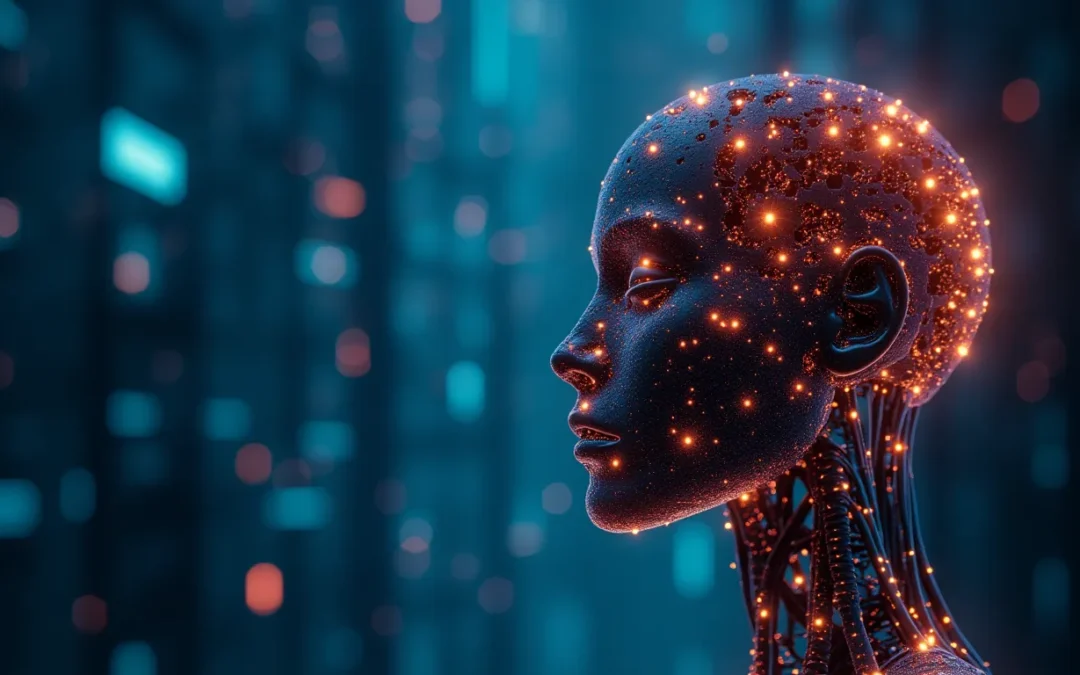
Artificial intelligence (AI) has rapidly emerged as one of the defining technologies of our age, reshaping industries and influencing everyday life. It encompasses a range of technologies, including machine learning, natural language processing, and robotics, and is enabling machines to perform tasks that typically require human intelligence.
The significance of AI cannot be overstated; it is revolutionizing how we work, communicate, and solve complex problems.
As we delve into the topic of how artificial intelligence is transforming the world, it becomes clear that its impact is profound and multifaceted. Understanding this transformation is crucial for individuals and businesses alike, as it not only opens new avenues for innovation but also presents challenges that we must navigate responsibly.
The journey of artificial intelligence began decades ago, yet its evolution has accelerated significantly in recent years.
The history of AI development is marked by several key milestones, such as the creation of the first neural networks in the 1950s, the advent of expert systems in the 1980s, and the breakthrough in deep learning techniques in the 2010s.
Each of these advancements has contributed to the emergence of sophisticated AI applications we see today. Currently, AI technologies are being integrated into various sectors, from healthcare to finance, transforming traditional paradigms and driving efficiency.
The implications of this evolution are vast; industries are being reshaped, new business models are emerging, and the global economy is experiencing a seismic shift.
As AI continues to develop, it promises to unlock unprecedented potential across multiple domains, fundamentally altering how we approach challenges and deliver value.
Major Sectors Impacted by AI
Artificial intelligence is not just a technological fad; it’s a revolutionary force reshaping various industries across our globe.
Let’s delve into several major sectors where AI is making significant strides:
Healthcare
In the healthcare sector, artificial intelligence has emerged as a game-changer. By leveraging machine learning algorithms, healthcare professionals can analyze vast amounts of data to improve diagnostics and patient care.
For instance, smart systems can interpret medical images with remarkable accuracy, identifying conditions that may be missed by the human eye.
Finance
The finance industry has also been transformed by artificial intelligence. From risk assessment to fraud detection, AI algorithms can analyze patterns and predict potential risks with unprecedented precision.
For example, companies like PayPal utilize smart algorithms to monitor transactions in real-time, flagging suspicious activities and minimizing losses due to fraud.
This enhancement in security has resulted in significant savings for financial institutions, illustrating how AI is critical in safeguarding assets.
Manufacturing
Manufacturers are also increasingly integrating artificial intelligence to boost productivity and efficiency.
Automation allows for streamlined operations, reducing errors and downtime. Robotics, combined with AI, can perform repetitive tasks with consistent quality.
Leading companies report a reduction in production costs after implementing AI-driven automation, underlining its transformative impact on manufacturing processes.
Transportation
AI’s influence extends to transportation, introducing innovations such as autonomous vehicles and optimized logistics. Self-driving cars, developed by companies like Tesla, use complex algorithms to navigate roads safely.
Moreover, forecasting tools in logistics help companies predict demand, ensuring that products reach consumers promptly and efficiently.
With the potential to reduce traffic congestion and lower emissions, artificial intelligence is reshaping how we move goods and people.
Education
In the realm of education, personalized learning experiences powered by AI are revolutionizing traditional teaching methods. Adaptive learning platforms assess students’ strengths and weaknesses, tailoring educational content to meet individual needs.
Studies indicate that students engaged with smart learning tools achieve significantly higher grades, demonstrating how AI can play a crucial role in fostering academic success.
Overall, the transformation brought about by artificial intelligence in these sectors illustrates its vast potential. As more industries embrace this technology, the positive impacts of how it’s transforming the world continue to grow.
Learn How AI Can Transform Your Business
At ProcessPup, we specialize in building automation workflows and AI systems for businesses in all sectors. We can help you cut costs, improve efficiency and gain more customers.
Challenges and Ethical Considerations
While the integration of artificial intelligence undoubtedly offers numerous benefits, it also brings forth a host of challenges and ethical considerations that must be addressed. Understanding these issues is critical to ensuring that the advantages of AI are maximized while minimizing potential drawbacks.
One significant challenge is the potential for job displacement.
As automation systems become more capable of performing tasks traditionally handled by humans, many workers may find their roles obsolete. A report from the World Economic Forum estimates that AI could displace 85 million jobs by 2025.
This prospect raises legitimate concerns about the future workforce and the need for retraining and upskilling initiatives.
Data privacy is another pressing ethical concern. Machine learning relies heavily on data, and the increase in data collection can lead to breaches of privacy if not managed responsibly. For instance, facial recognition technology, while useful for security, raises alarms regarding surveillance and consent.
It’s crucial to establish clear guidelines governing data usage to protect individual rights. The need for regulation is paramount. Without a proper framework, the misuse of AI could lead to unintended consequences.
Governments and regulatory bodies must collaborate with industry leaders to form policies that promote responsible AI development. This includes ensuring transparency in smart algorithms and maintaining accountability for harmful outcomes.
Society must find a balance between innovation and ethical considerations.
Open discussions among stakeholders, including technologists, ethicists, and policymakers, will aid in passionately advocating for ethical AI practices. By addressing these challenges head-on, we can ensure that the evolution of artificial intelligence benefits humanity as a whole, leading us towards a more equitable future.
How We Use AI Responsibly
At ProcessPup, we are dedicated to empowering small businesses through responsible use of AI. Our automation services streamline operations, reduce costs, and facilitate growth. By integrating AI into your processes, we help you scale efficiently while upholding the highest ethical standards.